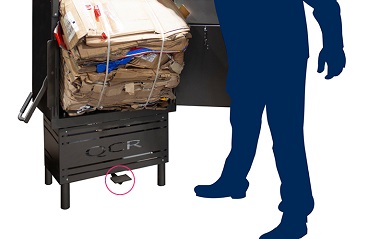
Cardboard Baler Safety Training is essential because it can prevent severe workplace injuries, keeps valuable baling machinery functioning properly and ensures compliance with legal H&S regulations like PUWER.
Scenarios when baler safety training is needed
NEW INSTALLATIONS
There’s a lot to think about when installing a new cardboard baler at your business. Not only do you need to decide where it'll be sited, you also need to think about who will be authorised to use it. Those responsible at your premises for baling-out will need to know the ins and outs of how to operate the machine as well as troubleshooting procedures.
WHEN SWITCHING MACHINE MODELS
Machine-specific baler training sessions should be undertaken when exchanging baler for a larger or smaller model, even if you get it from the same supplier. Operators certified on one type of baler (like hydraulic) need conversion training when switching to a different machine with different operating procedures (like pneumatic).
NEW MEMBERS OF STAFF
When a new member of staff joins your team, you'll need to arrange for them to be trained on how to use the equipment. Even if they've used a baler in a previous job, it's likely that the baler installed at your site is entirely different. For example, an electric baler is powered by hydraulics so staff need to know how to check the hydraulic lines, valves and cylinders.
BAD PRACTICE
Retraining is mandatory if an operator is involved in an incident or your bales of cardboard are rejected by a recycler. If a supervisor notices that baler safety checks are being skipped, immediate corrective training is needed. Even if mistakes don't occur, refresher training for all users is recommended every 3-5 years.
Key Reasons Why Cardboard Baler Safety Training Matters
Protects lives and reduces injuries: Balers can produce cardboard bales that weigh in excess of 20kg that have the potential to cause significant injury if not handled corrected. Proper training lowers the risk of crushing incidents.
Ensures legal compliance: Employers in the UK have a legal duty to provide adequate training and maintain records of the training to avoid heavy fines.
Minimises damage to baling equipment: Trained operators bale-out correctly and perform daily, weekly and monthly checks that can identify problems early before they develop into expensive repairs.
Enhances bale value: Confident, knowledgeable baler operators make good quality bales of cardboard that have the potential to achieve the best financial returns.
What are the hazards in using a baler?
Many factors lead to improper baler use. Some of the most common baler hazards include:
Incorrect use
Skipped baler maintenance or servicing
Not observing the safe working around the edge of the machine
Poor quality baler banding or wires
There are many other factors that you need to be aware of when using a baler. However, the most important and arguably the most obvious is getting professional baler training.
What are the baler safety tips to be remembered?
Everyone using a baler should know exactly what steps they need to take to operate it safely and efficiently to produce good quality bales. Vertical and horizontal balers have distinctly different operating procedures so it's important that users receive machine-specific training from a professional trainer.
Here's a list of come of the top baler safety tips to remember:
Complete regular baler maintenance safety checks
Wear suitable clothing as well as the recommended PPE
Ensure the bale you are moving is securely bound
Always pay attention to the safe working area around the baler
Store the instruction manual nearby for easy reference
Most importantly, staff shouldn’t operate a baler without appropriate training. Everyone using it should know exactly what steps they need to take to operate it safely and efficiently to produce good quality bales. Vertical and horizontal balers have distinctly different operating procedures so it's important that users receive machine-specific training from a professional trainer.
Best Practice When Planning Training
Before the machine is put into service you will need to decide who will be responsible for pulling together a detailed staff training plan for your employees. This must include booking training for current staff and anyone that joins your company in the future. A hands-on step-by-step demonstration of how to use the machine should be included in the training that you book. It should also include other important points such as what to do before operating the machine and scenarios of what could go wrong. If anyone has any questions either during or after the training session, make sure there’s a named competent person who can answer them. Don’t forget to document all training received by employees in detailed records. When a training session ends, make sure staff have access to any relevant training materials and the full instruction manual.
Contact us to book a QCR Baler Safety Training Course
QCR provides a range of different baler training sessions with both Novice and Experienced Operator Refresher Courses available for the following machinery:
Cardboard Balers
Plastic Balers
Vertical Balers
Horizontal Balers
The courses are provided free to all baler rental customers and are supplied in person (never remotely!). Here at QCR, we offer top-quality baler training, with all our baler trainers being certified by SafeContractor™.
This article was updated and review by Neil Holland on 09/09/26.
Neil and his expert team travel around the UK delivering high-quality baler courses to businesses with a QCR baler installed at their premises. QCR supplies balers up and down the country, and our free in-person training sessions and 25 years of baling know-how are the key differentials that make us stand out from our competitors.
We use cookies to enhance your experience, improve our site's quality, understand your interests, and deliver personalised content.
If you choose to allow only essential, we'll use them solely to ensure our site performs properly and functions as intended. You can adjust your preferences or learn more in our cookie policy.


 01242 620903