6 Different Types of Recycling Equipment & Their Uses
Using Recycling Equipment is essential for cost-effective and efficient business waste management. The huge variety of types available make it challenging to select the right recycling aid for your premises. In this guide we'll explain the following types and what they are best suited for:
Waste Balers
Bin Compactors
Cardboard Packaging Shredders
Can Crushers
Glass Crushers
EPS Polystyrene Compactors
Get bespoke equipment recommendations for your premises when you contact QCR.
The 6 Different Types of Recycling Equipment for Businesses
1. Waste Balers
Waste balers are the most common type of recycling equipment. They are sometimes known as Recycling Balers because they are used for baling recyclable materials. Although most commonly used in warehouses, some balers are installed outdoors if they're rated IP55. The most popular type of waste baler is the Cardboard Baler because it aids the recycling of packaging waste such as boxes and plastic bags. Balers can be powered by:
Electricity (13 amp, 16 amp or 3-phase)
Compressed air
Some baler models are equipped with bale ejection systems to mechanise the baling out process. All balers can be either vertical or horizontal. Read our guide on choosing a waste baler for the full breakdown of each type and what applications they are best suited for.
Waste types: Cardboard, soft plastics, carpets, hard plastics, drinks cans, PET bottles and textiles.
Pros: Versatile, powerful, robust
Cons: Need high-quality bale tie to function (either wires or banding depending on the model you choose)
2. Bin Compactors
Bin Compactors maximise bin capacity in businesses where high waste disposal fees or limited bin storage space pose an issue. They are sometimes known as wheelie bin compactors or bin presses.There are various machine options available depending on the size of commercial bin you use including:
Hydraulic bin compacting machines must be installed in close proximity to where bins are stored. The machine requires the user to wheel a bin under the compaction plate and operate the controls. With typical use this type of equipment crushes recyclable material 3:1 (approximately one third of its original size dependant on waste type). They are ideal for premises with a caretaker or residential blocks with an onsite property management team.
Waste types: Waste stored in commercial bins
Pros: Simple controls, provide immediate relief for overfilled bins
Cons: Must be installed onto a solid surface (for example no grass or gravel)
3. Can Crushers
Can crushers are specialised machines that compact industrial metal can waste.The application for industrial can crushers is incredibly broad, spanning numerous industry sectors including manufacturing, construction and hospitality. By mechanising the process of can compaction, businesses can safely compact can waste at their own premises.
This type of can recycling equipment is available with different compaction strengths for crushing different types of can. Specialist models are equipped with residue capture systems.
Waste types: Paint cans & tins up to 30L, 330ml drinks cans
Pros: Choose from pneumatic or hydraulic compactors to suit your premises
Cons: Material-specific equipment specifications
4. Glass Crushers
Glass Crushers reduce glass volume by up to 10:1 which is essentially reducing glass bottles to one-tenth of their original size. You need lots of glass bottle waste to make this type of glass recycling equipment financially viable which is why they're predominantly installed within hospitality sites. The market offers several different types of glass crushing machines, each engineered to achieve different degree of glass compaction ranging from glass cullet to a sand-like material. Glass crusher hire service are available giving seasonal businesses the opportunity to install them during peak periods when excessive glass bottle waste causes a problem.
Waste types: Glass bottles, jars and vials
Pros: Instant results
Cons: Noisy, bottle tops must be removed prior to crushing
5. EPS Polystyrene Compactors
Polystyrene contains 95% to 98% air making it ideal for recycling using a compactor instead of a bin. Due to it being a popular material for packaging, the resulting waste is often quite bulky making it notorious for filling up bins quickly. Most Polystyrene Compacting Machines achieve a very high compaction ratio of up to 40:1 leading to a dramatic reduction in waste volume. When produced in bulk and of good quality, there is financial value in the briquettes made by EPS Compactors to help businesses to offset the overheads of running a machine.
Waste types: EPS Polystyrene, Styrofoam
Pros: Can crush irregular packaging pieces into uniform blocks (also known as briquettes)
Cons: Price, material-specific, works best inside
6. Cardboard Box Shredders
Going green by making your own parcel fill material with a cardboard box shredder helps to reduce your environmental impact while cutting costs on packaging materials. It conforms to the "Reduce, Reuse, Recycle" waste hierarchy because you are processing used boxes instead of throwing them away. If you're planning on introducing this into your goods-out department, make sure you use a heavy-duty cardboard shredding machine.
Waste types: Cardboard
Pros: The uses for shredded cardboard are endless!
Cons: Staples must be removed to prevent machine damage
Why install Recycling Equipment?
Using specialised recycling equipment within the workplace offers several distinct advantages for businesses. These benefits not only reduce business overheads, they can also boost efficiency and your commercial reputation.
Lower Waste Disposal Fees: Compacted recyclable materials are proven to cheaper to dispose of per kilogram than uncompacted waste in a standard DMR bin.
Aids Compliance with Simpler Recycling Laws: Since 31st Match 2025, all businesses with 10 or more full time employees must recycle metal, plastic, paper, card, cartons and glass. Businesses with fewer than 10 staff have until 31st March 2027 to comply. Installing recycling equipment provides clear evidence to the authorities that you have procedures in place to segregate recyclable material from general waste at your premises.
Improved Workplace Safety: Compacting recyclable materials onsite reduces the risk of overflowing bins causing accidents.
New Business Revenue Stream: When compacted in bales, waste can be a valuable commodity that can be sold to registered waste carriers, brokers and dealers.
Reduce Landfill Tax Exposure: By installing equipment at your premises to help staff segregate waste, recyclable materials are far less likely to be put in bins destined for landfill which are subject to a tax costing £130.75 per tonne as of 1st April 2026.
Boosts Commercial Reputation: Sustainable business practices such as the implementation of recycling equipment can be highlighted when applying for awards and accreditations. For example, entrants to The Farm Shop & Deli Awards (held annually at the NEC) are evaluated on their eco-friendly initiatives by a judging panel.
Reduce Your Waste Disposal Footprint: By grouping different business waste types together, they can be collected in bulk from your premises.
To find out if you qualify for a free recycling equipment trial contact us today!
By choosing QCR as your preferred supplier of commercial recycling equipment you get:
Equipment case studies and user testimonials from our 25 years of supplying equipment to businesses in the UK
Support from our SafeContractor™ approved team who are based at our 3 distribution hubs across the UK
High quality and safe recycling equipment with CE marking proving that it complies with strict EU safety standards
Great customer service - We're proud to be rated 4.8 stars as of July 2026 on our Google Business Listing
Aftersales service from a team who have been awarded a continuous membership award from BCAS (British Compressed Air Society)
We use cookies to enhance your experience, improve our site's quality, understand your interests, and deliver personalised content.
If you choose to allow only essential, we'll use them solely to ensure our site performs properly and functions as intended. You can adjust your preferences or learn more in our cookie policy.


 01242 620903
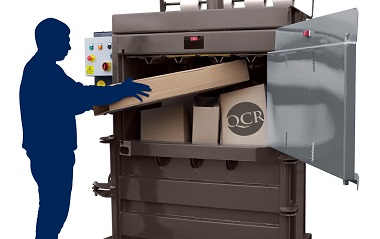


 Waste balers are the most common type of recycling equipment. They are sometimes known as Recycling Balers because they are used for baling recyclable materials. Although most commonly used in warehouses, some balers are installed outdoors if they're rated IP55. The most popular type of waste baler is the Cardboard Baler because it aids the recycling of packaging waste such as boxes and plastic bags. Balers can be powered by:


