Several factors determine what you'll pay for business waste disposal. Your location, waste type, waste containers and how often you need waste collections all contribute to your waste costs. Whilst your location can't be changed, the way you handle your waste at your premises can be modified to deliver sizeable savings on what you pay to have your bins emptied.
Key takeaway: Reducing the number of commercial bins you use and the frequency they are emptied can directly influence the waste costs you pay.
How are bin emptying charges calculated?
Location of your premises
Where your business is located has a direct impact on your commercial bin costs. When calculating your charges your waste contractor will consider the distance they need to travel to your premises and any local restrictions (for examplecongestion charges, clean air zones and narrow streets) which may make collecting your waste more difficult.
Bins used
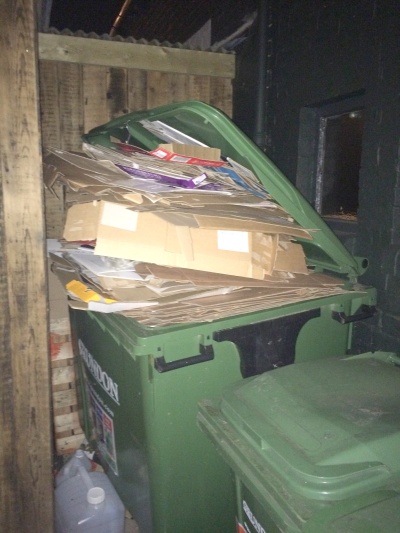
The more bins you fill, the more you'll have to pay in total to have them emptied. Waste companies typically base their charges on a per-bin or per-skip basis. However, partially filled bins and skips are still charged at full rate. Overfilled bins (those where you cannot close the lid) are a complete no-no and should be avoided at all costs.
Frequency of emptying
Fortnightly, weekly and daily and in some areas twice-daily waste collection are available however, more visits equals higher bills overall.
TOP TIPS to REDUCE BIN costs in 2026
Book a Free Waste Audit: A waste audit is a quick way to identify opportunities to save money on waste disposal. Organise an audit with a reputable recycling equipment supplier and a waste collection firm to get a broad list of recommendations. Check their credentials and reputation before inviting them to your site. Book your first one here to get started.
Make Waste Segregation Mandatory: Reduce your exposure to landfill tax by ensuring all recyclable materials are separated from general waste. Sorting your waste can reduce overheads because the cost of disposing of material destined for landfill is often much higher than the disposal of recyclable materials. Many businesses in the UK now have a legal obligation to segregate waste so check the latest waste eligibility criteria on the gov.uk website.
Identify Valuable Waste Materials: Enlist the assistance of a recycling specialist to help you identify potential value within the waste you recycle. Many companies in the UK successfully bale cardboard, plastics, cans, bottles and EPS polystyrene to receive payment (known as a rebate) when sold to a recycling facility in bulk.
Repurpose Your Waste Where Possible: Clean cardboard and plastic packaging materials can be repurposed or reused within your business or by a local community group. Good examples of repurposing waste include shredding waste cardboard to create void fill for outgoing parcels.
Digitalise Your Internal Procedures: Enlist the help of an IT professional to review your current office procedures to identify tasks that can be completed electronically. For documents that need to be printed, most workplace printers can be set-up to print double-sided as the default setting.
Donate Unused Equipment: Office equipment made obsolete due to changes in procedures can be donated to good causes or sold to fund the purchase of new equipment. For safety, some types of equipment may need to be tested before they can be donated.
Consider Buying Used Waste Machinery: You can reduce the cost of sourcing waste machinery for your workplace by considering used equipment instead of new. Refurbished machines can be just as efficient as new machines yet with a smaller price tag. Comprehensive warranties and service plans can reduce your expose to future maintenance costs.
Investigate Food Waste Composting: Businesses with a large garden at their premises could investigate the feasibility of setting up their own compost bins. Whilst it's a more laborious task than popping waste in a food bin, the resulting compost is an green way to improve soil quality.
Review Waste Contracts: Always review and renegotiate contracts with your waste provider when the amount or type of waste you throw away changes. Build a relationship with a supplier that allows you to make changes mid-contract to ensure you do not overpay for unused capacity.
Stay Compliant: Ensure your waste disposal procedures are compliant with environmental legislation and comprehensively documented to avoid fines resulting from improper disposal. Always ensure your chosen waste disposal company have a waste carriers licence.
Compact Waste: Bin Compactors are a tried-and-tested way compact waste at your business premises making it easier to store and dispose of. Electric bin compacting machines are fixed to the floor and work in conjunction with the bins supplied by your waste contractor.
Conclusion
Pro-actively researching, benchmarking and reflecting on the way that business waste is handled at your premises can lead to significant savings on waste costs. There is no magic solution to cut your waste bills instantly. Instead most businesses implement several small changes to waste handling procedures which cumulatively lead to reduced costs overall.
We use cookies to enhance your experience, improve our site's quality, understand your interests, and deliver personalised content.
If you choose to allow only essential, we'll use them solely to ensure our site performs properly and functions as intended. You can adjust your preferences or learn more in our cookie policy.


 01242 620903