Choosing a commercial bin compactor for the first time can be daunting, but when you understand the benefits of using one, you'll understand why they're being installed in bin stores all across the UK. In this guide, we'll walk you through what a commercial bin compactor is, the benefits and important factors to consider when selecting one for your business premises.
What is a Commercial Bin Compactor?
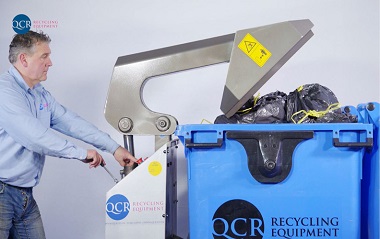
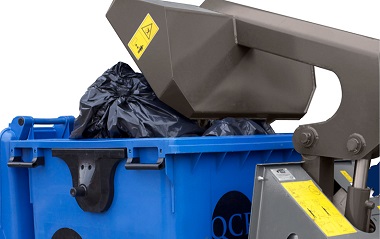
A Commercial Bin Compactor is a machine fitted with a large compaction plate that squashes waste inside a wheeled commercial bin. Compacting rubbish deposited inside your bins maximises bin capacity, allowing you to fit around 3-5 times more waste into the same container.
How do Commercial Bin Compactors Work?
Commercial Bin Compactors work by raising and lowering a specially designed compaction plate into the rigid-sided commercial bin supplied by your chosen waste company. The compaction plate has been designed to fit neatly within the bin without damaging the structure of it. By applying hydraulic pressure, the compaction plate crushes both the waste itself and reduces the amount of fresh air around it. The benefits of crushing your rubbish are instantly visible and the operation of the machine is very straightforward.
The Connection Between Bins & Waste Overheads
Businesses in the UK are legally required to pay for their own waste disposal costs. Most businesses set-up an agreement with a registered waste carrier to empty and transport a pre-agreed number of bins each week to a central facility for processing. Costs are based on:
Bin Size: The larger your bins, the more they cost to empty due to the amount of rubbish inside them
Waste Collection Frequency: The more often the waste crew visit your premises to empty your bins, the more you pay because of the added labour and transport costs.
Waste Type: General waste is typically more expensive to dispose of than recyclable waste.
The amount of waste material within each bin will vary each week however businesses won't get a discount if the bins are only partially filled.
The financial and operational advantages of a Commercial Bin Compactor
Businesses with high waste costs
How to calculate the ROI of a Commercial Bin Compactor
Calculating the forecasted return on investment (ROI) can help you assess the benefits of installing a compactor. Using data collected during a free compactor trial will lead to more accurate calculations. The basic calculation is:
The financial advantage of reducing the number of bins you pay to have emptied each week can be substantial when added up over a year. The table below illustrates the reduction in waste collection costs using 9 x 1100L Commercial Waste (General Refuse) bins costing £21.92 per lift when reduced by one third:
Before Compaction
After Compaction
Bin Emptying Costs Per Week
£197.28
£65.76
Bin Emptying Costs Per Year
£10258.56
£3420.00
What type of businesses are likely to get the best financial results from compacting waste?
Businesses with 3 or more commercial bins emptied per week
Businesses with infrequent waste collections
Businesses with high waste bin emptying costs
The Primary Benefits of Using a Hydraulic Bin Compactor
Integrating a bin compactor within your commercial premises delivers a range of significant advantages. These benefits not only help you financially, it'll also improve your operational efficiency and carbon footprint. Key advantages include:
Improved Bin Accessibility: By reducing the number of bins you need, you can make them more easily accessible within your bin store for colleagues and waste crews
Faster Waste Collections: By cutting the number of bins you need, it's quicker and easier for the waste crew to service your site.
Better Value for Money: By reducing the amount of unused space within each bin, you get better value for money by maximising the amount of waste you can put into each container.
Workspace Optimisation: The space created by removing bins from your premises can be used for other purposes such as outdoor seating or horticulture to improve kerb-appeal.
Improved Relationships with Stakeholders: By reducing the frequency that waste collection vehicles visit your premises, you reduce the level of local disruption on the nearby roads.
Enhanced Workplace Cleanliness: Reducing the occurrence of overflowing bins reduces trip-and-fall hazards creating a safer and cleaner workspace.
Environmental Benefits: By reducing the number of vehicles needed to transport your waste and their associated energy consumption, you'll reduce your carbon footprint.
Important Considers When Choosing a Commercial Bin Compactor
Selecting the right type of compactor for your bins requires an evaluation of your workspace, bin use and budget.
Figuring Out Bin Compactor Compatibility
Bin Compactors are used conjunction with the commercial wheeled bins that have been already supplied to you by your waste collection company. Checking compatibility is crucial to prevent damage to the bins and the machine itself. This table shows the most common type of wheelie bin used by businesses and the corresponding bin compacting machine.
Power Availability: This type of compactor is electrical, so you need to check there is an appropriately rated electrical socket nearby.
Indoor vs. Outdoor: Whilst an indoor location is preferred, outdoor installation is possible if the compactor has an adequate electrical safety rating (for example IP55).
Floor Type: The compactor must be fixed to a smooth solid surface so the bins can be manoeuvred easily on and off the machine.
Lighting and Security: The machine must be installed in a secure location to prevent unauthorised use. The area should also be well lit so the operator can see the controls clearly.
Ceiling Height: Check the floor-to-ceiling height of your proposed install location and compare it with the specification of your machine to prevent the compaction plate from hitting the ceiling.
Maintain a Safe Working Area: Make sure you have an appropriately sized space left clear in front of the machine to keep everyone away from the compacting plate when the machine is in use.
Essential Commercial Bin Compactor Safety Standards
All Bin Compactors used in a commercial premises must adhere to strict safety standards to protect the people that use them. Check your workplace bin compacting machinery has a CE or UKCA mark. Sourcing your equipment from a reputable supplier will ensure it has important health and safety features such as an emergency stop button.
Why You Need Plan Bin Compactor Training
Under PUWER (Provision and Use of Work Equipment Regulations), employers must ensure that anyone using a bin compactor as part of their job has received adequate instruction and training. This means that unless training is provided by your supplier on the day of installation, you won't get the benefit of your new machine straightaway. Going forward, you'll need to schedule and document all training sessions for your own health and safety records.
Buying vs. Hiring Commercial Bin Compaction Equipment
For those businesses with busy schedules or limited budgets, bin compactor hire is a worthwhile consideration because it incorporates lots of additional benefits within a fixed monthly cost. Hire is also the better choice if you'd like the flexibility of returning the equipment at the end of the rental period.
If your commercial waste is mainly recyclable, a waste baler will almost certainly prove to be a better choice for your business than a bin compactor. A baler works just like a bin compactor but takes the process one step further by securing the waste material into a bundle known as bale. The main advantage of using a baler instead of a bin is that baling offers the potential for you to sell your recycling.
Free Bin Compactor Trial available
Contact QCR Recycling Equipment to find out whether we can offer your workplace a free machine trial. By trialling the equipment, you and your team can get first-hand experience of using one before deciding whether to hire or buy.
We use cookies to enhance your experience, improve our site's quality, understand your interests, and deliver personalised content.
If you choose to allow only essential, we'll use them solely to ensure our site performs properly and functions as intended. You can adjust your preferences or learn more in our cookie policy.


 01242 620903