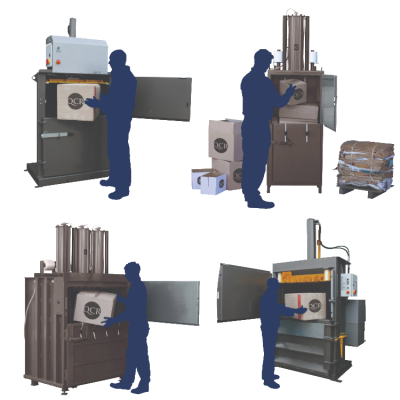
Businesses can produce a surprising amount of recyclable waste in a single day. Commercial waste typically comprises of cardboard boxes, polystyrene, bottles, cans and plastic film. When produced in large volumes, this recyclable waste is valuable when baled, enabling your business to make money from waste collections.
If you need a bit of inspiration to get started with this revenue-generating initiative, you're in the right place! Here's a quick introduction for those that are new to the concept. For more personlised advice, contact the Waste Experts at QCR.
What are waste collections?
According to the Department for Environment, Food & Rural Affairs July 2025 release, the UK produced nearly 41 million tonnes of commercial and industrial waste in 2020. Any material that comes from commercial activity is classed as business waste. New waste legislation makes it essential that businesses in England to segregate recyclable from non-recyclable material in 2026.
Different methods of waste disposal available to businesses including bins, compactors and balers. Although they're often the default choice, If you’re throwing away waste in large quantities into bins, your business is potentially missing out on income by not investigating the alternatives. This is because bales of recyclable waste, in sufficient quantities and of certain quality, can generate sizable returns when sold to a licenced baled waste collector.
How can I make money from waste collection?
If your business has a lot of waste that is recyclable, you could make a good amount of money from it. To unlock the revenue potential of your recycling, you must first bale it using equipment commonly known as a Recycling Baler. Baler prices can vary greatly due to differences in size and type. Before you make an investment, it's recommended that you seek advice from a professional installer so you don't overpay for features you don't need.
Which materials can make money per collection?
Cardboard: A cardboard baler is an perfect solution for organisations with lots of cardboard box waste. Vertical balers are designed to compact cardboard and are an alternative to costly commercial wheelie bins or skips. Once baled in bulk and free of contaminants, cardboard can be sold to a recycling company. This is the same process that Commercial Waste Collection Companies complete at their own site after collecting loose material from bins. Waste Baling is an easy process and adopting this practice within your waste storage area can also help to free up workspace and reduce the risk of vermin.
Aluminium cans: Aluminium cans are one of the most valuable materials in your recycling bin. It's also one of the most energy-effective materials to recycle, making empty drinks cans a highly valuable type of waste when compacted in bulk. Aluminium Can Balersare an easy solution for places with large volumes of small metal can waste such as commercial kitchens, outside catering units and events venues. Bales of compacted aluminium cans can be sold for recycling helping to offset the cost of the baler.
Plastic Bottles: Plastic bottles are one of the biggest problems the environment is facing today. In the UK you can dispose of the bottles responsibly in recycling bins, but if your business handles large volumes, plastic balers are a better solution. Baling plastic bottles reduces the volume of your waste as well as increasing its value as a recyclable product.
Glass Bottles : Many businesses find that that their bins fill up quickly with glass bottles. Because they’re bulky, they can make the costs of collection high if you're charged for disposal per bin emptied. Crushing glass is an easy way to fit more bottles into your existing bins. If every business crushed their glass prior to it being collected, fewer vehicles would be driving around on the roads.
Polystyrene Packaging:Compacting polystyrene waste requires little effort with the right equipment. Simply put your loose EPS waste material into the hopper and the machine produces highly valuable blocks that can be sold. The high value of compacted waste polystyrene in the UK in 2026 makes it a great opportunity for businesses producing high volumes of wet or dry waste. Selling polystyrene waste is a lucrative income stream for many businesses within the food processing and electronics industry.
Explore our recycling balers today
Recycling balers can be purchased or hired from QCR. As part of the baler package, we'll introduce you to our trusted network of bale collectors. Our vertical recycling baler hire prices start at just £16.00 per week (ex VAT) and are a brilliant cost-saving idea for businesses enduring increasing waste disposal costs in 2026. Free trials are available enabling you to test a baler from QCR before you commit.
QCR may not be able to predict the future, but our inflation-beating rental agreements offer fixed hire pricing for the duration of your contract.
We use cookies to enhance your experience, improve our site's quality, understand your interests, and deliver personalised content.
If you choose to allow only essential, we'll use them solely to ensure our site performs properly and functions as intended. You can adjust your preferences or learn more in our cookie policy.


 01242 620903